
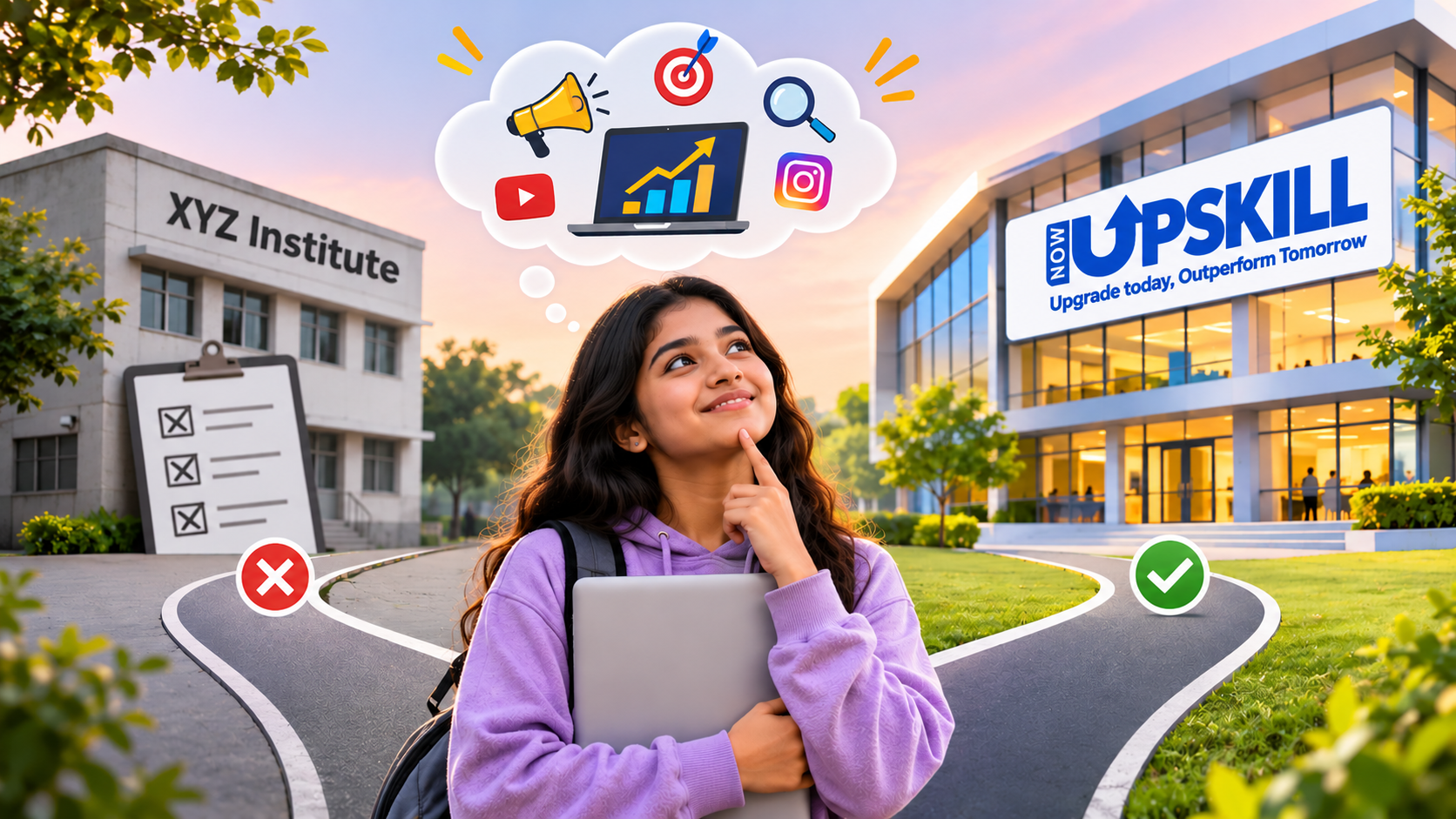
Best Digital Marketing Institute for Students After 12th in Delhi
Choosing the right career path after Class 12 can be challenging. While traditional degree programmes remain popular, students today are also exploring skill-based courses that help them prepare for the changing job market.
Digital marketing is one such career option. From social media and search engines to online advertising, content creation and artificial intelligence, digital marketing offers students an opportunity to learn practical skills that businesses use every day.
If you have recently completed Class 12 and are considering a digital marketing course, choosing the right institute is an important first step. A good programme should offer structured learning, practical assignments, exposure to industry tools and opportunities to work on real projects.
This guide explains how to choose the best digital marketing institute for students after 12th, what to learn, which career opportunities to explore and why practical training matters.
1. Can You Learn Digital Marketing After 12th?
Yes. Students can start learning digital marketing immediately after completing Class 12. Most beginner-level digital marketing programmes do not require a specific graduation degree or technical background.
Students from Commerce, Science and Arts backgrounds can all explore this field. What matters more is an interest in technology, communication, creativity, business and online platforms.
Learning digital marketing during college can also help students develop additional skills alongside their regular education. They can practise content creation, manage social media accounts, understand search engine optimisation and build small digital projects.
Who Can Join a Digital Marketing Course After 12th?
- Students who have completed Class 12 from any stream.
- College students looking to develop practical skills.
- Students interested in social media and content creation.
- Aspiring entrepreneurs who want to promote their businesses.
- Students interested in marketing, advertising and technology.
A digital marketing course can complement a college degree and help students build practical experience before entering the job market.
2. Why Should Students Learn Digital Marketing?
Businesses increasingly depend on online platforms to reach customers, promote products and generate leads. This creates a need for professionals who understand how digital channels work.
For students, digital marketing offers a combination of creative, analytical and technical learning.
Key Benefits of Learning Digital Marketing
- Practical skills: Learn how businesses use websites, search engines and social media platforms.
- Flexible career options: Explore opportunities in agencies, companies, startups and freelance projects.
- Entrepreneurial knowledge: Understand how to promote a business, product or personal brand online.
- Creative exposure: Develop skills in graphics, video content, copywriting and campaign planning.
- Analytical learning: Understand website traffic, campaign performance and audience behaviour.
- AI integration: Learn how artificial intelligence can support research, content and marketing workflows.
Digital marketing is not limited to one type of business. Industries such as fashion, education, healthcare, hospitality, real estate, technology and e-commerce use digital marketing to connect with their audiences.
3. How to Choose the Best Digital Marketing Institute After 12th
Before enrolling in a course, students should compare institutes based on curriculum, teaching methods, trainer experience and practical exposure. Do not make a decision based only on advertisements or promises.
Important Factors to Check
1. Updated Course Curriculum
The syllabus should cover important areas such as SEO, social media marketing, paid advertising, website development, content marketing, analytics and AI tools.
2. Practical Learning
Students should work on assignments, campaigns, websites, content calendars and other practical projects instead of learning only through theoretical lectures.
3. Experienced Trainers
Check whether the trainers have practical experience in digital marketing and can explain how concepts are used in real business situations.
4. Internship Opportunities
An internship can help students understand professional workflows, deadlines, client requirements and teamwork.
5. Student Reviews
Read genuine student feedback and check whether the institute provides transparent information about its courses, trainers and learning experience.
6. Career Guidance
Look for institutes that provide guidance on building a portfolio, preparing for interviews and understanding entry-level job roles.
4. What Does a Digital Marketing Course Include?
A comprehensive digital marketing course should introduce students to the major channels and tools used by businesses. The following subjects form a useful foundation for beginners.
1. Search Engine Optimisation (SEO)
SEO helps websites improve their visibility in organic search results. Students learn keyword research, on-page SEO, technical SEO, off-page SEO, website optimisation and content planning.
2. Social Media Marketing
Learn how businesses use platforms such as Instagram, Facebook and LinkedIn to build communities, communicate with customers and promote products.
3. Content Marketing
Content marketing involves creating useful and relevant content for a target audience. It includes blogs, social media posts, website copy, videos and email content.
4. Performance Marketing
Performance marketing introduces students to paid advertising, campaign objectives, audience targeting, creative testing, budgets and performance measurement.
5. Website Development
Students should understand how websites and landing pages work. Beginner-friendly website builders and platforms can help them create basic websites without advanced programming knowledge.
6. Email Marketing
Learn how businesses use email campaigns, newsletters, customer segmentation and automated communication to connect with their audiences.
7. Influencer Marketing
Understand how brands collaborate with influencers and content creators, plan campaigns and evaluate campaign outcomes.
8. Analytics and Reporting
Learn how to interpret website traffic, engagement, leads and campaign performance using analytics and reporting platforms.
9. Video and Graphic Content Creation
Modern marketers need to understand visual communication. Students can learn to create social media graphics, short-form videos, reels and other digital creatives.
5. Importance of AI in Digital Marketing
Artificial intelligence is changing the way marketers research, plan, create and analyse campaigns. Learning how to use AI tools can help beginners work more efficiently and understand modern marketing workflows.
AI tools can support different activities, but human judgement, creativity, fact-checking and marketing strategy remain essential.
How AI Tools Help Digital Marketers
- Content research: Generate topic ideas and organise research.
- Content writing: Create first drafts for blogs, emails and social media posts.
- SEO research: Support keyword research and content optimisation.
- Graphic design: Assist with creative concepts and visual content.
- Video creation: Support scripting, editing and short-form video workflows.
- Marketing automation: Help organise repetitive marketing tasks.
- Data analysis: Assist with interpreting marketing reports and campaign information.
Students should learn to use AI as a productivity tool rather than depending on it for every marketing decision.
6. Why Practical Training and Live Projects Matter
Digital marketing is a practical field. Knowing the definition of SEO or social media marketing is not enough; students should also understand how to apply these concepts.
Practical assignments help students understand the process of planning, creating, publishing and analysing digital marketing activities.
Examples of Practical Projects
- Conduct keyword research for a business website.
- Prepare an SEO audit for a sample website.
- Create a monthly social media content calendar.
- Design social media creatives and short videos.
- Build a basic website or landing page.
- Prepare a Google Ads or Meta Ads campaign plan.
- Develop an influencer marketing campaign proposal.
- Create a marketing performance report.
These projects can help students build a portfolio that demonstrates their understanding of digital marketing concepts.
7. Importance of Internship for Students
An internship gives students an opportunity to understand how digital marketing works in a professional environment.
During an internship, students may get exposure to content planning, social media scheduling, SEO tasks, campaign research, website updates and reporting.
What Students Can Learn During an Internship
- Working with deadlines and project requirements.
- Understanding client communication.
- Collaborating with designers, writers and marketing teams.
- Using digital marketing tools in practical situations.
- Preparing reports and tracking assigned tasks.
- Building professional confidence and workplace skills.
Students should check the duration, responsibilities and terms of an internship before enrolling in any programme that advertises internship opportunities.
8. Online vs Offline Digital Marketing Courses
Students can choose between online and classroom-based learning depending on their schedule, location and preferred learning style.
| Factor | Online Course | Offline Course |
|---|---|---|
| Learning Location | Learn from home or any convenient location. | Attend classes at the institute. |
| Flexibility | Can offer more flexibility depending on the batch. | Usually follows a fixed classroom schedule. |
| Interaction | Through online classes and digital communication. | Direct classroom interaction. |
| Practical Learning | Possible through online demonstrations and projects. | Possible through classroom activities and guided projects. |
| Best Suited For | Students who prefer remote learning. | Students who prefer classroom learning. |
Both formats can be effective when the institute provides structured teaching, trainer support, practical assignments and regular feedback.
9. Career Opportunities After Learning Digital Marketing
After completing a digital marketing course and developing practical skills, students can explore different entry-level roles and project opportunities.
Popular Digital Marketing Career Options
- SEO Executive: Assist with keyword research, website optimisation and SEO reporting.
- Social Media Executive: Plan and manage social media content and engagement.
- Content Writer: Create blogs, website content, captions and marketing copy.
- Digital Marketing Executive: Support multiple digital marketing activities.
- Performance Marketing Assistant: Help plan and monitor paid advertising campaigns.
- Influencer Marketing Coordinator: Support influencer research and brand collaborations.
- Content Creator: Develop digital content for brands and online platforms.
- Freelancer: Offer selected digital marketing services to clients.
Can Students Work While Studying in College?
Yes, depending on their skills, schedule and the requirements of an employer or client. Some students explore part-time assignments, internships and freelance projects while continuing their college education.
Building a portfolio and gaining practical experience can help students demonstrate their capabilities when applying for opportunities.
10. How Much Does a Digital Marketing Course Cost?
The cost of a digital marketing course varies depending on the institute, course duration, learning format, curriculum, trainer experience and practical exposure.
Before comparing fees, students should understand exactly what is included in the programme.
What Should You Check Before Paying Course Fees?
- Complete course syllabus and duration.
- Number of practical sessions and assignments.
- Tools and platforms covered during training.
- Trainer experience and mentorship support.
- Internship details and eligibility.
- Certification and assessment process.
- Placement assistance and its actual scope.
Avoid choosing a course only because it is inexpensive or because it advertises guaranteed career outcomes. Compare the actual learning value and written course terms.
11. Student Case Study: Ankita Seth
Learning Digital Marketing After Class 12
Ankita Seth joined a digital marketing programme after completing Class 12 while she was in her first year of college.
She completed a three-month digital marketing course, gaining exposure to important digital marketing concepts and practical learning activities.
After completing the programme, she began receiving part-time job opportunities, allowing her to explore professional work while continuing her education.
Key Learning Takeaways
- Students can start developing practical skills after Class 12.
- Digital marketing can complement a regular college education.
- A structured course can help students understand different marketing activities.
- Practical knowledge can help students explore part-time work opportunities.
Ankita's learning journey illustrates how students can begin exploring digital marketing early in their academic journey.
12. Why Consider Upskill Now?
Upskill Now offers digital skills training for students and aspiring professionals who want to develop practical knowledge in digital marketing and emerging technologies.
Its AI Digital Marketing Course combines traditional marketing fundamentals with AI-powered tools and practical learning activities.
What Students Can Explore at Upskill Now
- Search Engine Optimisation (SEO).
- Social Media Marketing.
- AI tools for digital marketing.
- Content creation and copywriting.
- Website development and optimisation.
- Influencer marketing.
- Video and reel creation.
- Performance marketing fundamentals.
- Practical assignments and projects.
- Internship and placement assistance as per programme terms.
Learn from Industry Mentorship
The programme includes mentorship by Mr. Nikhil Kundra, who brings experience in digital marketing and branding.
Students can explore how marketing concepts are applied to real business requirements and understand the role of digital platforms in building brands.
Start Your Digital Marketing Learning Journey
Explore the AI Digital Marketing Course at Upskill Now and learn practical skills for the evolving digital industry.
Explore the Course13. Student Reviews and Feedback
Before choosing a digital marketing institute, it is always useful to read feedback from students and learners who have experienced the training.
Reviews can help prospective students understand the teaching experience, course structure, trainer support and overall learning environment.
Explore Upskill Now Reviews
Read student reviews and feedback to learn more about the Upskill Now learning experience.
14. Frequently Asked Questions (FAQs)
1. Which is the best digital marketing institute for students after 12th?
The best institute is one that offers an updated syllabus, experienced trainers, practical projects, exposure to industry tools and internship or career guidance. Students should compare institutes before enrolling.
2. Can I do a digital marketing course after Class 12?
Yes. Students can start learning digital marketing after Class 12, regardless of whether they studied Commerce, Science or Arts.
3. Is digital marketing a good career option after 12th?
Digital marketing can be a useful career option for students interested in technology, communication, business and creativity. It offers different specialisations, including SEO, social media, content marketing and performance marketing.
4. Do I need coding knowledge to learn digital marketing?
No. Most beginner-level digital marketing topics do not require coding knowledge. Basic technical understanding can be helpful for website development and technical SEO.
5. How long does it take to learn digital marketing?
The duration depends on the course and the depth of training. A structured beginner programme may take a few months, while gaining professional experience requires continued practice.
6. Can college students learn digital marketing alongside their studies?
Yes. Students can choose a suitable batch schedule and learn digital marketing alongside their regular college education.
7. What are the most important digital marketing skills for beginners?
Beginners should focus on SEO, social media marketing, content creation, website fundamentals, paid advertising, analytics and AI tools.
8. Is an internship important after a digital marketing course?
An internship can provide exposure to professional workflows and practical tasks. It helps students understand how marketing teams work and build experience.
9. Can I earn money through digital marketing while studying?
Students with suitable skills may explore internships, part-time assignments and freelance projects. Opportunities depend on individual ability, experience and available work.
10. Why should students learn AI along with digital marketing?
AI tools can support research, content creation, marketing analysis and repetitive workflows. Learning AI alongside marketing fundamentals can help students understand modern digital marketing practices.
Conclusion: Start Building Your Digital Skills After 12th
Choosing a career after Class 12 is an important decision, and students should explore opportunities that match their interests and long-term goals.
Digital marketing offers a practical way to understand online business, branding, content creation, advertising and technology. Starting early can help students build useful skills alongside their college education.
When selecting an institute, focus on the quality of training, practical exposure, updated curriculum, mentorship and genuine student feedback.
If you are interested in exploring digital marketing and AI-powered marketing tools, visit Upskill Now to learn more about its training programmes.
Ready to Explore Digital Marketing?
Connect with Upskill Now to learn about the course curriculum, upcoming batches and enrolment process.
Visit Upskill NowContact Upskill Now
Website: www.upskillnow.in
Email: connect@upskillnow.in
Phone: 9999848160 / 9711448765
Address: A-3, Third Floor, Rajouri Garden, New Delhi – 110027.